MT / Visas
Visa guide: Malta
Malta offers the Nomad Residence Permit for non-EU citizens working remotely for an employer, their own company or clients abroad, with gross income of €42,000 a year. It has its own tax regime: no tax in the first 12 months and 10% afterwards.
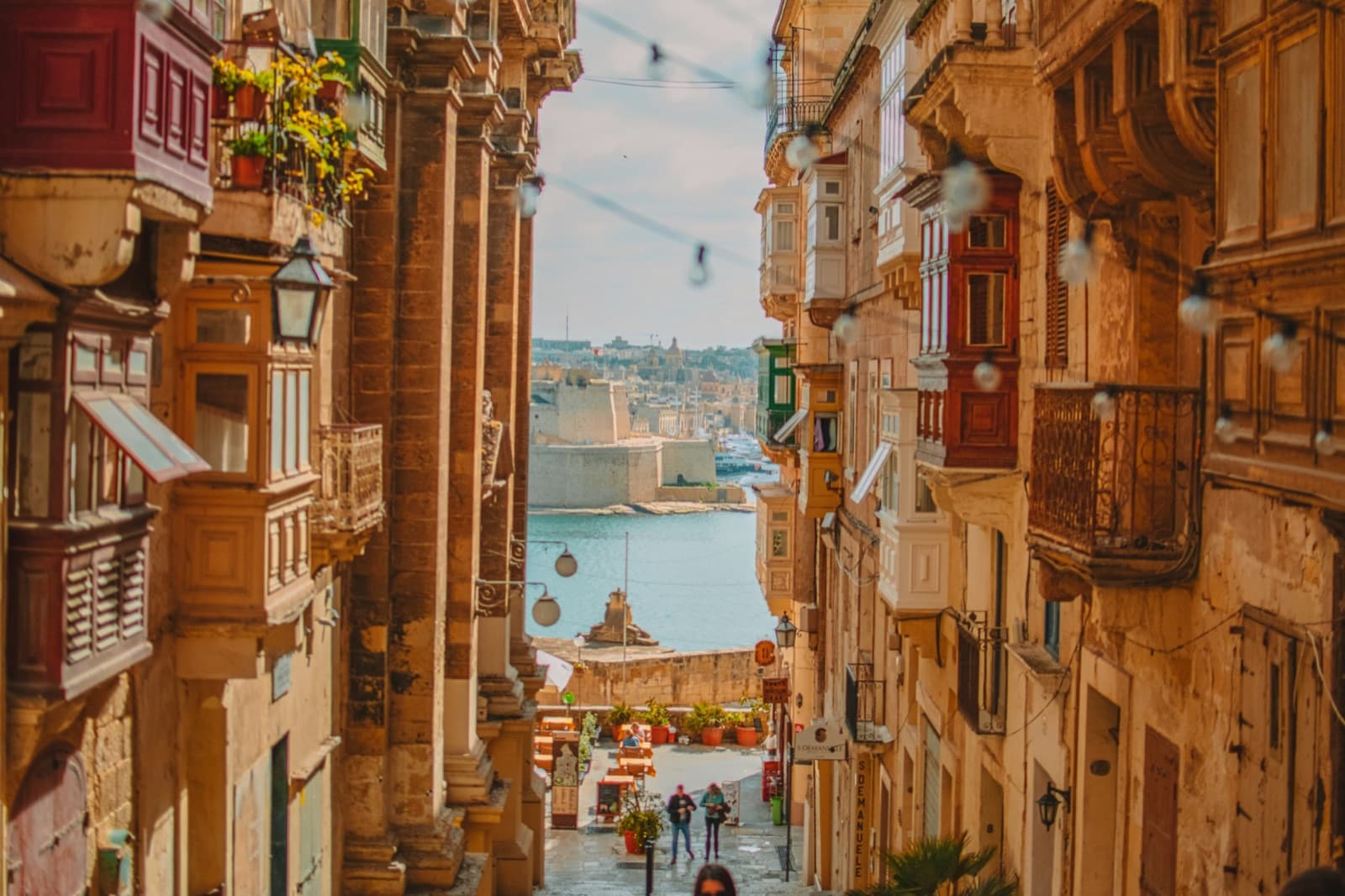
Valletta · Sliema · Gozo
General guidance · not legal or tax advice
General information based on cited official sources, to help you get oriented and prepare questions. It does not replace the competent authority or a professional: confirm requirements and amounts at the source before applying.
Financial amounts in this edition refer to 2026; historical figures in the text are not automatically updated.
- Financial reference
- €42,000 gross per year
- Duration
- 1 year, up to 3 renewals
- Family
- Family members included in the permit
Who can apply for the Nomad Residence Permit
It is designed for non-EU, non-EEA and non-Swiss nationals who work remotely through telecommunications and fit one of three categories: employees with a contract from an employer registered abroad, partners in a company registered abroad, or freelancers and consultants with clients whose permanent establishment is outside Malta.
Income, insurance and housing
Since April 2024 the minimum gross annual income is €42,000; those who applied before that date keep the previous €32,400 threshold. You also need a valid passport, health insurance covering the European Union (including Malta) and the UK, a rental or purchase agreement, a police conduct certificate and a background check.
Duration and renewals
The initial permit lasts one year and can be renewed up to three times, up to a maximum of four years. Renewal is requested two to three months before expiry and requires at least five months of cumulative residence in Malta in the previous twelve months, shown through bank statements with local payments.
Taxes and tax residence
The permit's tax rules (S.L. 123.210) state that the holder is not taxed on income from authorised work during the twelve months after the permit is issued, unless they declare that their residence in Malta is not merely casual. The benefit only covers remote work for employers or clients that are neither resident nor have a fixed place of business in Malta.
Taxes and tax residence: Malta ↗Things to keep in mind
These points vary with your situation, your home country or the consulate. They are worth confirming with the official source before you take the next step.
- Current application and renewal fees.
- Additional income or insurance requirements per family member.
Health cover for your application
Travel and health insurance
Medical cover for long stays.
- SafetyWingOfficial site
- GenkiOfficial site
- World NomadsOfficial site
We have no affiliate agreements in this section today: links go to official sites and earn no commission. How we work
Sources and scope
- Residency Malta Agency · Nomad Residence Permit eligibility
Ingresos, categorías, seguro y vivienda · Sources consulted: 4 October 2026
- Residency Malta Agency · Permit renewals
Vigencia, renovaciones y residencia mínima · Sources consulted: 4 October 2026
- Legislation Malta · S.L. 123.210 Nomad Residence Permits (Income Tax) Rules
Exención de 12 meses y tipo del 10 % · Sources consulted: 4 October 2026
Dates record editorial consultation, not professional approval. Consular, nationality and profile conditions are checked separately.